  • English
  • Français
User account menu
  • Log in
Home
International Civil Aviation Organization
ICAO store
User account menu
  • Log in
Seach MENU
About ICAO

About ICAO

  • Overview
  • Strategic Plan 2026-2050
  • Latest News and Highlights
  • FAQs
  • List - ICAO Member States
  • ICAO Museum
  • ICAO Carbon Calculator
  • Report Misconduct
  • Contact ICAO

Diplomatic Bodies

  • ICAO Assembly (193 States)
  • Sessions of the Assembly
  • Resolutions in Force
  • ICAO Council (36 States)
  • President of the Council
  • Sessions of the Council
  • Council State Representatives
  • Air Navigation Commission

ICAO Secretariat

  • Secretary General
  • Air Navigation Bureau
  • Air Transport Bureau
  • Capacity Development and Implementation Bureau
  • Legal Affairs and External Relations Bureau
  • Administration Bureau
  • Regional Offices
Global Priorities

Strategic goals

  • Every Flight is Safe and Secure
  • Aviation is Environmentally Sustainable
  • • CORSIA
  • • State Action Plans for Aviation CO2 Reduction
  • • Finvest Hub
  • Seamless, Accessible, and Reliable Mobility
  • No Country Left Behind
  • • Capacity Development and Implementation Support
  • Comprehensive Legal Framework
  • Economic Development

Enablers

  • ICAO Continuous Improvement
  • Innovation in Aviation
  • Next Generation Aviation Professionals
  • Gender Equality
  • ICAO Global Ambassadors Programme
  • ICAO Training
  • Partnerships and Resource Mobilization
Events

Featured Events

  • ICAO/AWG Joint Regional Workshop on Cross-Border Transferability of Aircraft (XBT) and Compliance with the Cape Town Convention (CTC)
  • ICAO Global Implementation Support Symposium 2026
  • Fourteenth Meeting of the Facilitation Panel (FALP/14)
  • 4th Civil Aviation Legal Advisers Forum (CALAF/4)
  • View the Full List of Coming and Past meetings and Events
  • Host your event at ICAO
Resources

Resources

  • ICAO E-Library
  • Publications
  • Annual Reports of the Council
  • Safety Audit Results - Interactive
  • Aviation Benefits Report
  • Economic Facts and Figures
  • Global Aviation Safety Plan
  • Safety Reports
  • Global Air Navigation Plan
  • Air Navigation Reports
  • ICAO Partnership Programme
  • ICAO API Data Service
  • ICAO Data+
  • ICAO iSTARS
  • Air Transport Monthly Monitor
  • Compendium: Competition Policies/Practices
  • Economic Analyses and Forecasting
  • Databases and Studies
  • Environment Reports
  • Environment Publications
  • ICAO TRIP Strategy Compendium
  • Unmanned Aviation
  • ICAO GIS Aviation Data
Careers
Featured Articles
ICAO TV
Subscribe
About ICAO
About ICAO
  • Overview
  • Strategic Plan 2026-2050
  • Latest News and Highlights
  • FAQs
  • List - ICAO Member States
  • ICAO Museum
  • ICAO Carbon Calculator
  • Report Misconduct
  • Contact ICAO
Diplomatic Bodies
  • ICAO Assembly (193 States)
  • Sessions of the Assembly
  • Resolutions in Force
  • ICAO Council (36 States)
  • President of the Council
  • Sessions of the Council
  • Council State Representatives
  • Air Navigation Commission
ICAO Secretariat
  • Secretary General
  • Air Navigation Bureau
  • Air Transport Bureau
  • Capacity Development and Implementation Bureau
  • Legal Affairs and External Relations Bureau
  • Administration Bureau
  • Regional Offices
Global Priorities
Strategic Goals
  • Every Flight is Safe and Secure
  • Aviation is Environmentally Sustainable
  • • CORSIA
  • • State Action Plans for Aviation CO2 Reduction
  • • Finvest Hub
  • Seamless, Accessible, and Reliable Mobility
  • No Country Left Behind
  • • Capacity Development and Implementation Support
  • Comprehensive Legal Framework
  • Economic Development
Enablers
  • ICAO Continuous Improvement
  • Innovation in Aviation
  • Next Generation Aviation Professionals
  • Gender Equality
  • ICAO Global Ambassadors Programme
  • ICAO Training
  • Partnerships and Resource Mobilization
Events
Featured Events
  • ICAO/AWG Joint Regional Workshop on Cross-Border Transferability of Aircraft (XBT) and Compliance with the Cape Town Convention (CTC)
  • ICAO Global Implementation Support Symposium 2026
  • Fourteenth Meeting of the Facilitation Panel (FALP/14)
  • 4th Civil Aviation Legal Advisers Forum (CALAF/4)
  • View the Full List of Coming and Past meetings and Events
  • Host your event at ICAO
Resources
Resources
  • ICAO E-Library
  • Publications
  • Annual Reports of the Council
  • Safety Audit Results - Interactive
  • Aviation Benefits Report
  • Economic Facts and Figures
  • Global Aviation Safety Plan
  • Safety Reports
  • Global Air Navigation Plan
  • Air Navigation Reports
  • ICAO Partnership Programme
  • ICAO API Data Service
  • ICAO Data+
  • ICAO iSTARS
  • Air Transport Monthly Monitor
  • Compendium: Competition Policies/Practices
  • Economic Analyses and Forecasting
  • Databases and Studies
  • Environment Reports
  • Environment Publications
  • ICAO TRIP Strategy Compendium
  • Unmanned Aviation
  • ICAO GIS Aviation Data
Careers
Featured Articles
ICAO TV
ICAO store
Subscribe
  • English
  • Français

Breadcrumb

  1. Homepage
  2. SAF
  • ICAO Global Framework for SAF, LCAF and other aviation cleaner energies
  • CORSIA Standards
  • CORSIA Certified Fuels and Economic Operators
  • SAF production facilities
  • SAF Offtake Agreements
  • SAF airport distribution
  • Short-Term projections
  • Guidance on Policies
  • SAF rules of thumb
  • SAF conversion processes
  • ACT-SAF - Capacity building and Assistance
  • Finvest Hub
  • ICAO Environment Homepage

Sustainable Aviation Fuels (SAF)

Sustainable aviation fuels (SAF) are defined as renewable or waste-derived aviation fuels that meets sustainability criteria1. Technical analysis done at ICAO shows that SAF has the greatest potential to reduce CO2 emissions from International Aviation.

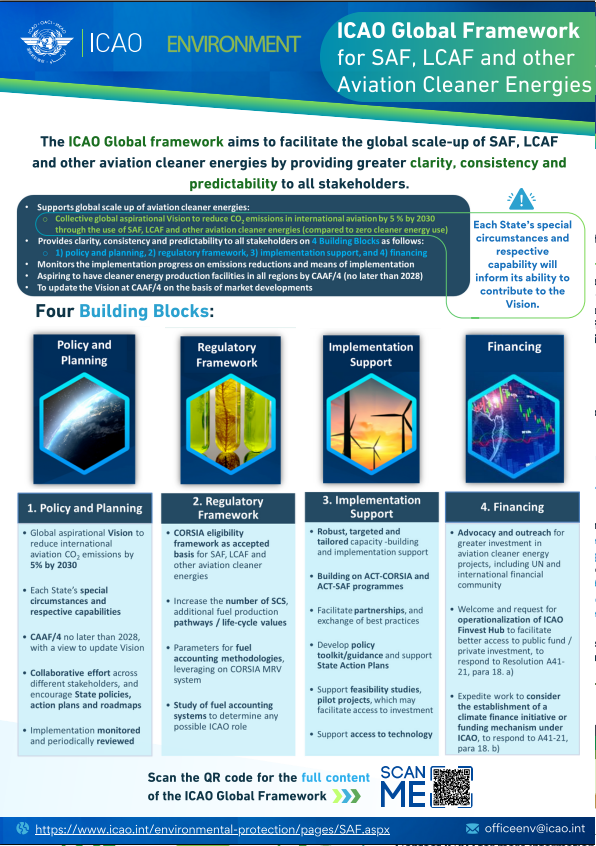
ICAO is working to facilitate SAF development and deployment through the four building blocks of the ICAO Global Framework for SAF, LCAF and other Aviation Cleaner Energies:

1) Policy and Planning - SAF policies and goals

The ICAO Global Framework for Sustainable Aviation Fuels (SAF), Lower Carbon Aviation Fuels (LCAF) and other Aviation Cleaner Energies includes a collective global aspirational Vision to reduce CO2 emissions in international aviation by 5 per cent by 2030, compared to zero cleaner energy use.

The framework, agreed at the Third ICAO Conference on Aviation and Alternative Fuels, is built across four building blocks: policy and planning; regulatory frameworks; implementation support; and financing.

These building blocks are interconnected and need to advance and work together to achieve their intended purpose
 

ICAO Global Framework Leaflet


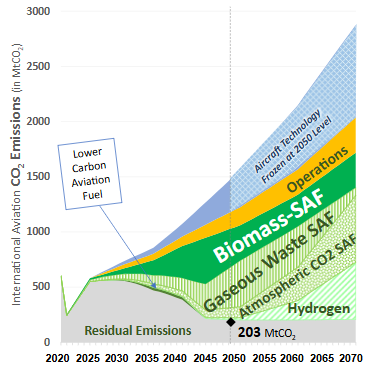
Long-term global aspirational goal (LTAG)

The 41st ICAO Assembly adopted a long-term global aspirational goal (LTAG) for international aviation of net-zero carbon emissions by 2050 in support of the UNFCCC Paris Agreement's temperature goal. This historic agreement reinforces the leadership of ICAO on issues relating to international aviation and climate change. The adopted Resolution A41-21 is available here.

The LTAG report shows that SAF has the greatest potential to reduce CO2 emissions from International Aviation.

The LTAG and fuels website details the fuels-related information contained in the LTAG analysis.

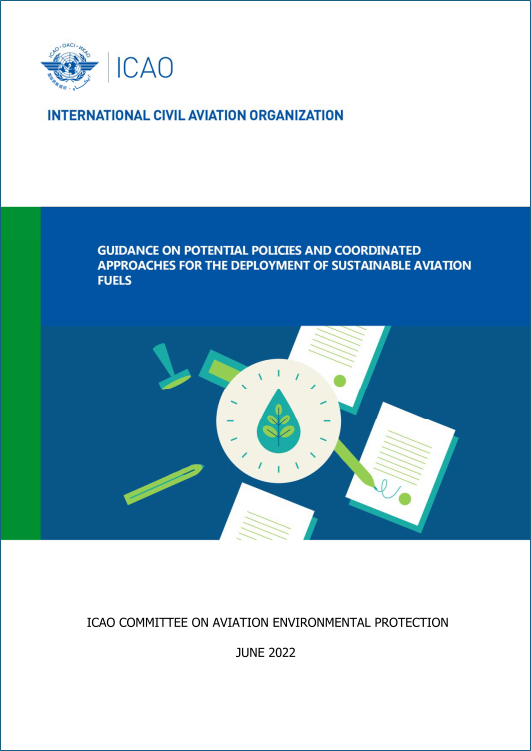
Guidance on potential policies and coordinated approaches for the deployment of SAF (2023)

This guidance summarizes potential policies and coordinated approaches for the deployment of SAF, completing a toolbox of guidance material for use by ICAO Member States together with the ICAO SAF Rules of Thumb. 


SAF rules of thumb - what does it take to produce SAF?
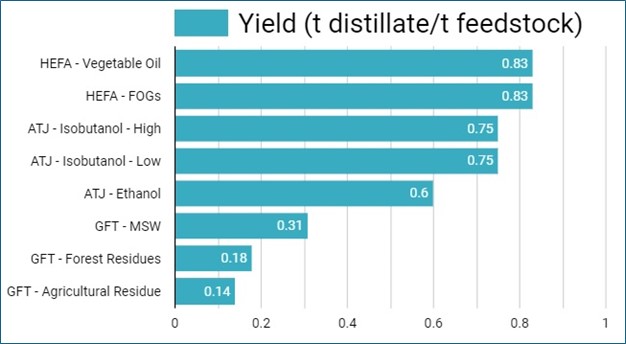
The ''SAF Rules of Thumb can be utilized to support policy development. They provide order of magnitude estimations related to SAF costs, investment needs and production potential. These "SAF rules of thumb" complete a toolbox of guidance material for use by ICAO Member States together with the "Guidance on potential policies and coordinated approaches for the deployment of SAF".


SAF Trends and Short-term Projections

The possible contribution of SAF to the ICAO environmental goals is also being assessed by CAEP as part of the ICAO Global Environmental Trends and SAF short-term projections.


2) Regulatory framework - Globally-accepted environmental Standards for SAF

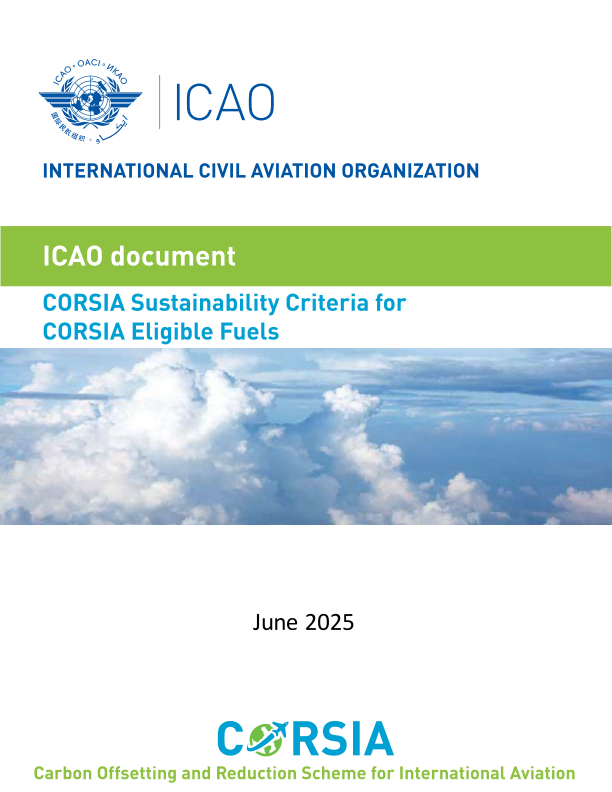
CORSIA includes methodologies that allow aircraft operators to reduce its offsetting requirements through the use of SAF and Lower Carbon Aviation Fuels (LCAF). These include globally-accepted sustainability criteria and life cycle methodologies. 

Specific details on how SAF is considered under CORSIA are provided in the ICAO Environmental Report 2019, Chapter 6 - An Overview of CORSIA Eligible Fuels (CEF). Related documents are provided in the CORSIA eligible fuels website.

Information on fuel batches and economic operators that are certified under CORSIA is provided on the CORSIA certified fuels website.
 

SustCriteriaCover.png
LCAMethodologyCover.png
Sustainability criteria 
 
Life cycle methodologies


3) Implementation Support

ACT-SAF - ICAO Assistance, Capacity-building and Training for Sustainable Aviation Fuels

The ICAO ACT-SAF Programme is supporting States to develop their full potential in SAF, through specific training activities, development of feasibility studies, and other implementation support initiatives.

ACT-SAF.svg

The ICAO ACT-SAF Series of events is providing comprehensive training to ACT-SAF Partners on an array of important SAF-related topics, ranging from sustainability, to policy, economics/financing certification and logistics. All the presentations are available for download; the trainings can be visualized on ICAO.TV and YouTube.

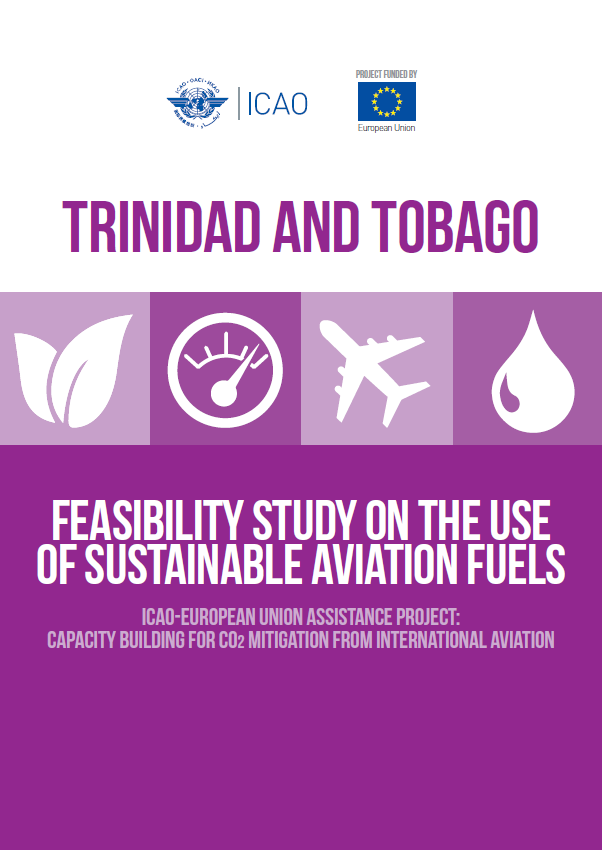
SAF Feasibility Studies - Seven SAF feasibility studies were developed as part of the ICAO-EU assistance project "Capacity building for CO2 mitigation from international aviation", and many more are currently under development under the ICAO ACT-SAF programme. The concluded feasibility studies can be accessed as follows:


FSDR.PNG
FSDR.PNG
FSDR.PNG
FSTB.PNG
Cover_Kenya.JPG
FS_BF.JPG
Cote d'Ivoire
 
Rwanda
 
Zimbabwe
 
Dominican RepublicTrinidad and Tobago
 
Kenya
 
Burkina Faso


Stocktaking.PNG


ICAO Stocktaking Process

ICAO is periodically reviewing the progress on SAF development and deployment through a Stocktaking Process, including the organization of regular seminars. Information gathered on the Stocktaking is included in the "SAF tracking tools" being maintained as part of the ICAO Global Framework for Aviation and Alternative Fuels (GFAAF).


SAF Guide (2018)

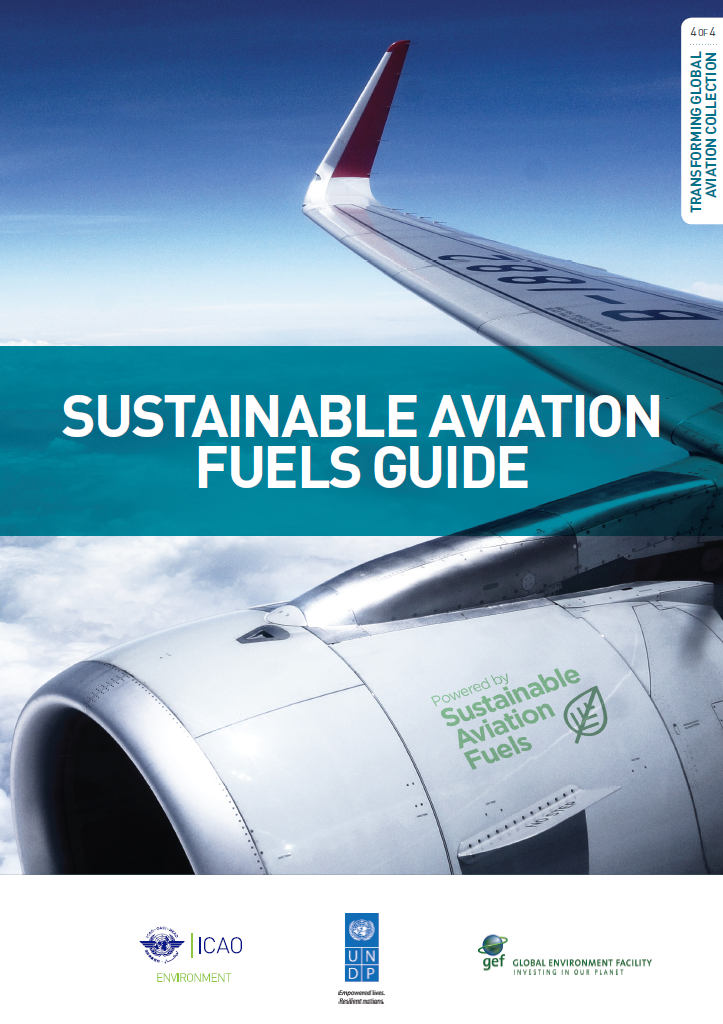
As part of the ICAO-UNDP-GEF assistance project "Transforming the Global Aviation Sector: Emissions Reductions from International Aviation", a "Sustainable Aviation Fuels Guide" was developed to inform ICAO Member States on how sustainable aviation fuels can be deployed to reduce CO2 emissions from international aviation activities. The guide describes fuel production pathways, usage constraints, environmental and other benefits, and policy perspectives on the use and development of SAF.


SAF technical references


Several other references on SAF are being compiled by ICAO and provided to the general public. More information can be found in the "other resouces" webpage.


4) Financing


The ICAO Finvest Hub facilitates enhanced access to public and private investment capacities and funding from financial institutions, with a focus on developing countries and States with particular needs.

The initial objective of this initiative is to support projects that contribute to the decarbonization of international aviation, by encouraging new and additional funding for this purpose.


References:

1 - Annex 16 - Environmental Protection, Volume IV, Carbon Offsetting and Reduction Scheme for International Aviation (CORSIA).

Learn more about ICAO
  • Contact ICAO
  • The United Nations
  • Terms & Conditions
  • External Resources
  • web [at] icao.int (Web Support)
  • FAQ
Connect with us :
  • linkedIn
  • Facebook
  • Unitingaviation
  • ICAO-TV
  • Instagram
  • Youtube

© 2025 International Civil Aviation Organization