
Empowering Tomorrow: The Role of Air Cargo in Future Development
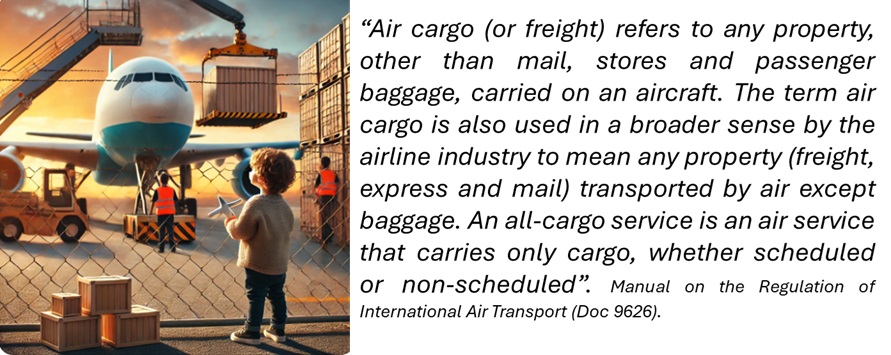
Air cargo continues to play a crucial role in driving economic growth by expanding market access and strengthening global trade networks. For this reason, air cargo is an ICAO priority, and we strive to recognize the uniqueness of the air cargo sector across our activities. As a key enabler of commerce, air freight services facilitate seamless and cost-effective transport of goods across vast distances, ensuring businesses can reliably reach international markets. As a trade facilitator, air cargo services increase the global reach of businesses, enabling them to reliably transport products to distant markets in a more cost-effective and quicker way.
The first ICAO Global Air Cargo Summit provided States and other supply chain stakeholders a unique forum and opportunity for a collaborative approach to address the full range of matters represented within ICAO priorities and provide ideas to improve the efficiency and cost effectiveness of the air cargo operating environment. Having a collaborative and harmonized approach to ensure safety, facilitation, economic regulation of air cargo services and resolving any operational challenges and vulnerability in these domains, will define a practical, efficient and viable future for air cargo operations. The inaugural Summit brought together stakeholders of air cargo services at various levels, including regulators, airlines, freight forwarders, airport operators, academia, and other strategic partners from relevant United Nations agencies.
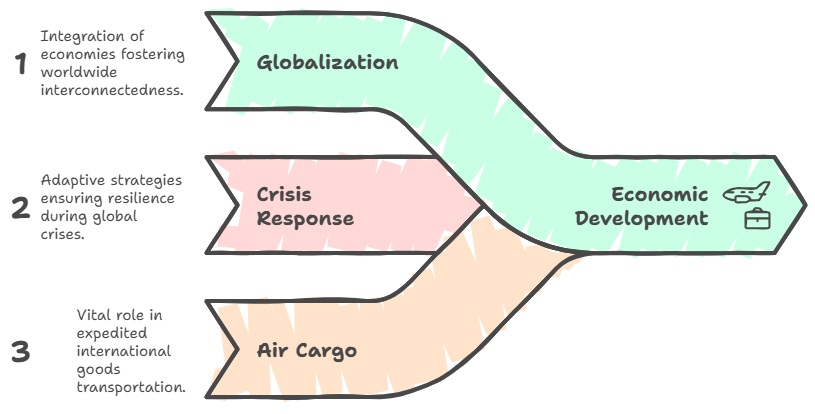
Air cargo demand has various drivers that can work in combination to sustain and foster air cargo services around the world. Such drivers include:
- Economic development
- Globalization
- Crisis response
These three areas also benefit from air cargo services, creating a virtuous cycle of benefits:
An illustrative example of the importance of air cargo in advanced, as well as developing economies. This time it was chosen Austria and Mexico. In 2023, air freight accounted for approximately 27 per cent of Austria's international trade by value, but only 1 per cent by tonnage. However, in Mexico, air freight accounted for approximately 9 per cent of international trade by value, but only 0.1 per cent of the total tonnage by weight.
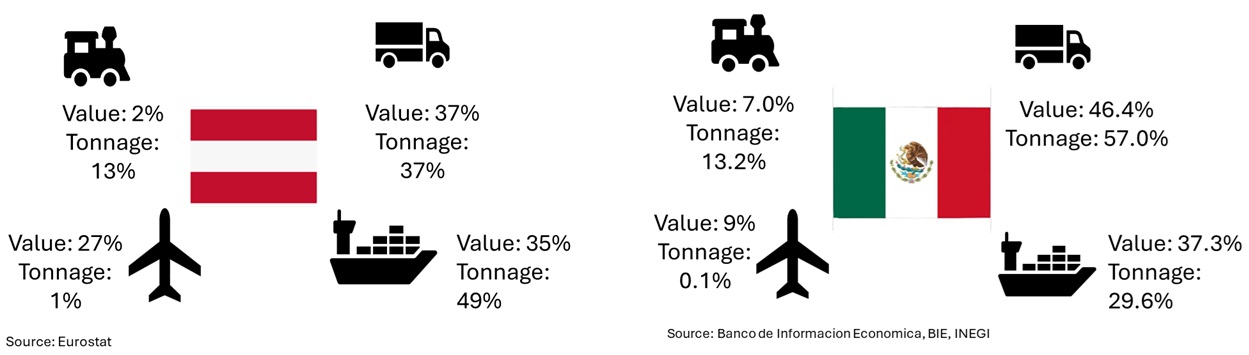
These cases highlight the types of goods transported by air, characterised by their high value, critical role in manufacturing processes, business-to-business nature, and pre-consumer position within the supply chain. These cases show that the connectivity air cargo services provide benefit countries of differing sizes, economies of differing specializations, and governments with differing socio-economic priorities all in some fashion. Whether a country is a landlocked developing state, small island developing state, or simply a Thus, it stands to reason that 33% of world trade by value is sent by air ($8 trillion worth of goods in 2023)[ATAG:https://aviationbenefits.org/downloads/aviation-benefits-beyond-borders-2024]
The Air Cargo Market
Air cargo is an essential pillar of the global supply chain, ensuring the swift movement of goods across continents and supporting industries that depend on just-in-time delivery. Its role was particularly vital in the post-COVID-19 economic recovery, facilitating trade and the distribution of essential goods. The continued expansion of e-commerce further highlighted its significance, enabling the rapid delivery of high-value and time-sensitive products to consumers worldwide. Additionally, air cargo was instrumental in humanitarian response efforts, delivering medical supplies, vaccines, and emergency relief to communities affected by crises, conflicts, and natural disasters.
One of the strengths of air cargo services is their flexibility, which allows operators to transport cargo of virtually any size between any two points quickly and reliably. In an increasingly world, demand for such services continues to grow, supporting international trade and economic development.
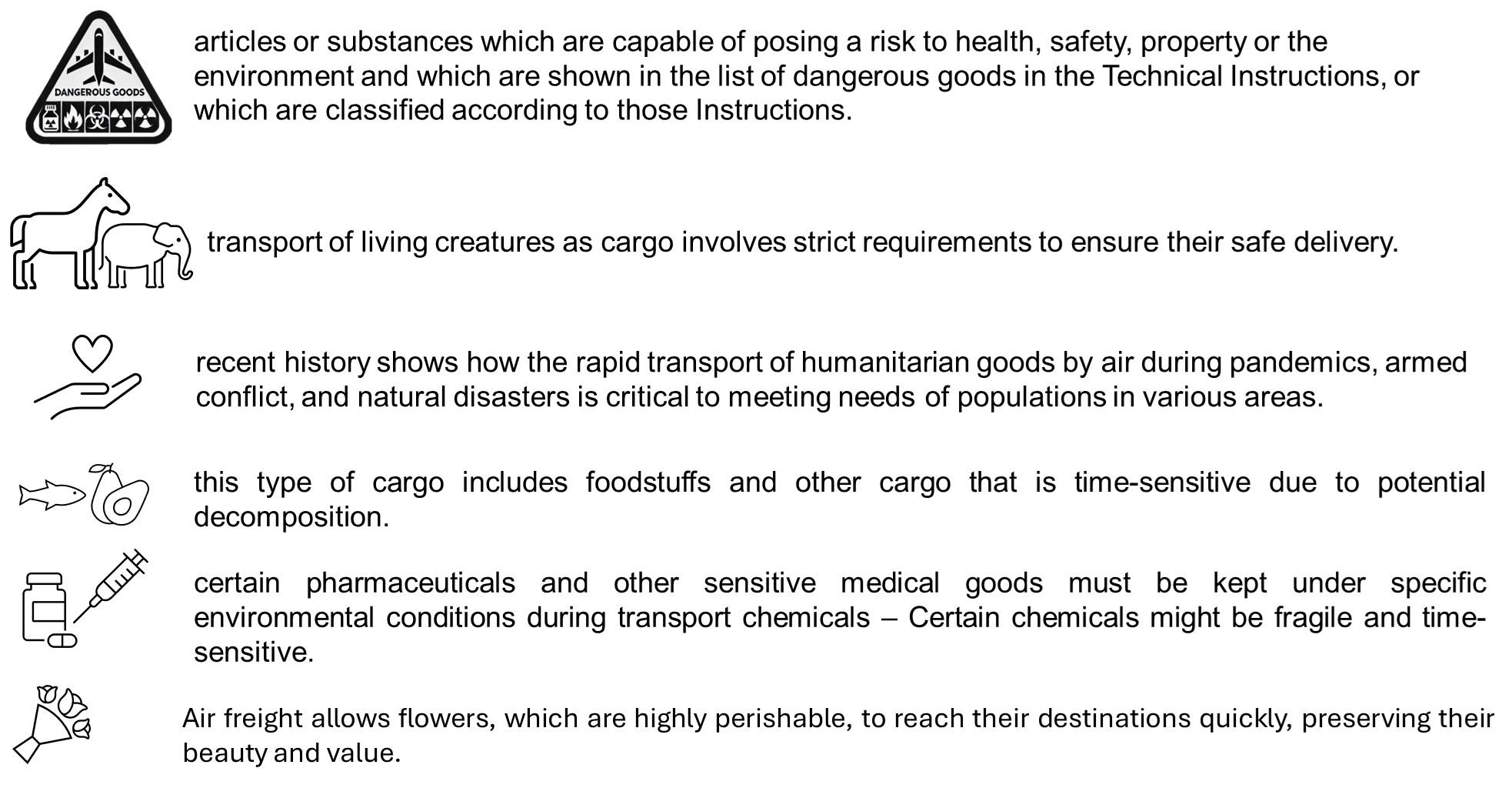
Air transport offers distinct advantages in particular for these types of special cargo:
ICAO is committed to air cargo and urges Member States to give due regard to the distinct features of air cargo services when exchanging market access rights in the framework of air service agreements and grant appropriate rights and operational flexibility so as to promote the development of air cargo services, including those enabling e-commerce; (A41, Annex A, par.8).